
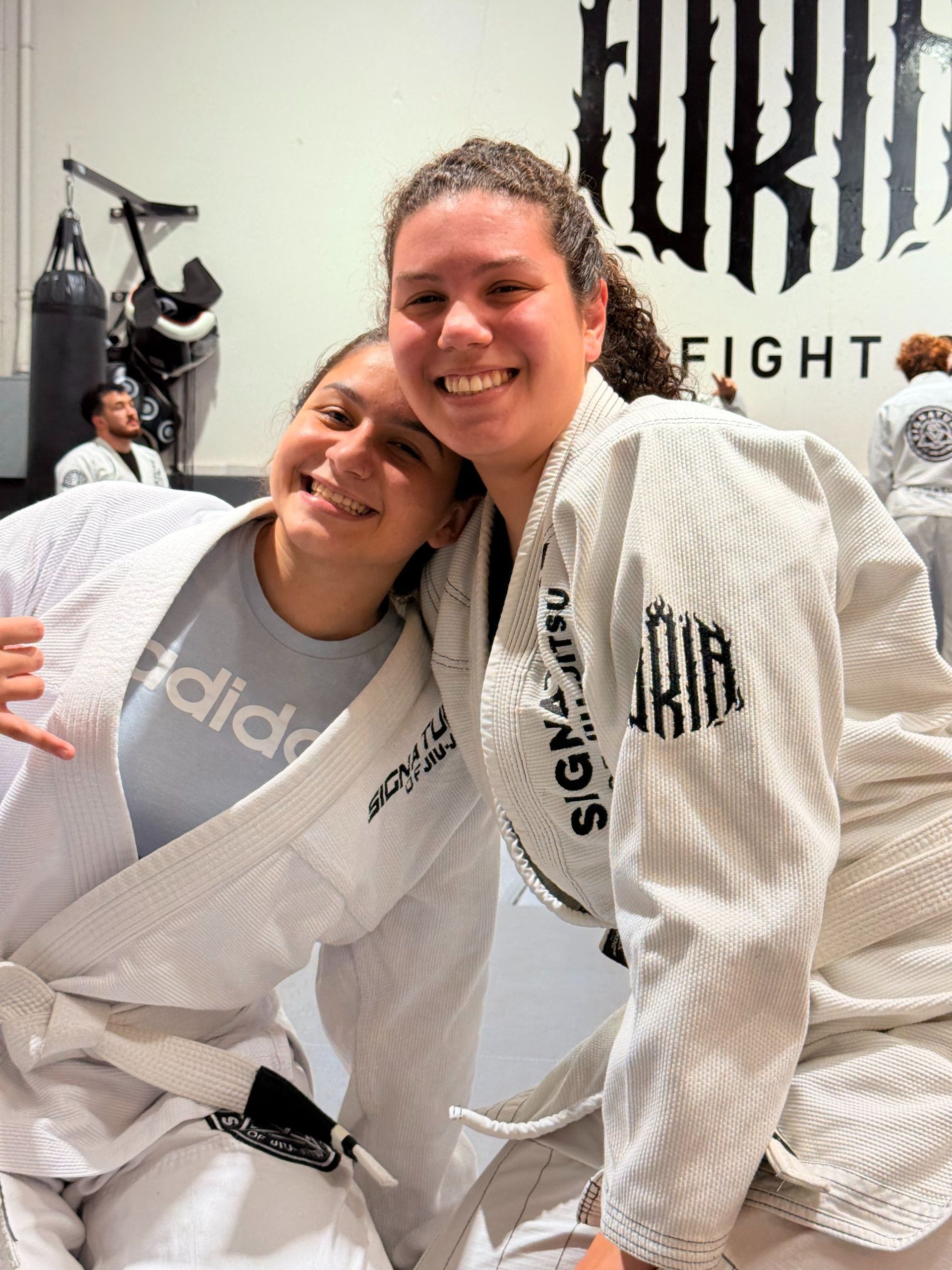
Youth Jiu-Jitsu turns everyday challenges into teachable moments your child can feel proud of.
When parents ask us about Youth Jiu-Jitsu, the question usually sounds simple: Will this help my child feel more confident? In Belmont, we hear it alongside a few very real concerns like bullying, too much screen time, and kids feeling stressed or stuck when something gets hard. The good news is that the right training environment gives kids a place to practice skills that translate directly into school, friendships, and home life.
Youth Jiu-Jitsu is also having a moment nationally for a reason. Brazilian Jiu-Jitsu has become one of the fastest-growing martial arts in the U.S., and youth participation is a major driver of that growth. We see the same thing locally: families looking for something that builds fitness and character at the same time, without turning every class into an intense, high-pressure experience.
In this article, we will break down how our youth program in Belmont develops resilience and leadership in practical, visible ways. We will also cover safety, what kids actually do in class, and how to know if your child is ready to start.
Why Youth Jiu-Jitsu resonates with Belmont families right now
Belmont sits in the middle of a busy Peninsula rhythm. School schedules are packed, parents are balancing work and family, and kids often carry more pressure than we expect. In that kind of environment, we have found that a consistent training routine does something powerful: it gives kids a predictable place to work hard, reset, and improve at their own pace.
A lot of families also want an activity that counters sedentary habits without feeling like punishment. Youth Jiu-Jitsu keeps kids moving, but it does not rely on being the fastest or strongest kid in the room. Because Brazilian Jiu-Jitsu in Belmont is built around leverage, positioning, and decision-making, smaller students can succeed quickly once the fundamentals click.
And if bullying is on your mind, you are not alone. Parents regularly ask how training helps without making kids more aggressive. Our approach emphasizes control, boundaries, and calm problem-solving under pressure. That combination is exactly what many kids need.
Resilience is a skill, and we train it on purpose
Resilience is not just “toughness.” In practice, it looks like a child taking feedback without shutting down, trying again after a mistake, and staying respectful when something feels unfair. Youth Jiu-Jitsu gives kids a safe way to practice those moments over and over.
One reason this works is that Brazilian Jiu-Jitsu is basically a moving puzzle. Students learn to solve problems with their body, their timing, and their attention. Consistent training is strongly linked with improved problem-solving, and many practitioners report noticeable gains over time. In our classes, you can see it show up when a student starts thinking two steps ahead instead of freezing.
What resilience looks like on the mat
In our youth classes, resilience shows up in small, repeatable wins:
• Getting pinned, breathing, and using a practiced escape instead of panicking
• Asking a question after class because a technique felt confusing the first time
• Tapping early and safely, then resetting with a calm attitude
• Returning after a tough day and still putting in focused effort
• Accepting that progress is not linear, and showing up anyway
Those moments might sound minor, but stacked together across weeks and months, they create a kid who feels capable.
Leadership grows through habits, not speeches
We take leadership seriously, but we keep it grounded. For kids, leadership usually starts with self-leadership: listening, following directions, managing emotions, and staying accountable. Once those habits are in place, kids naturally begin helping others, setting a tone, and becoming the kind of teammate people trust.
Youth Jiu-Jitsu has a built-in structure that supports this. There are rules, partners, and clear expectations. Kids learn to be responsible for their own safety and the safety of others. That is leadership in a form kids can actually understand.
Leadership skills your child practices every week
Here are a few leadership behaviors that we intentionally reinforce in class:
• Respectful partner work, including communicating clearly and stopping immediately when needed
• Coachability, which means making a correction and trying again without attitude
• Consistency, because showing up prepared matters more than having a “good day”
• Humility, since everyone gets challenged and everyone needs help sometimes
• Positive influence, like encouraging a teammate who is struggling instead of piling on
This is also one reason youth programs often become a family routine. When training becomes part of weekly life, kids start applying the same “keep going” mindset in school and at home.
What happens in a typical Youth Jiu-Jitsu class
If you have never watched a class, it can be hard to picture what “training” looks like for kids. Our goal is to keep sessions structured, active, and age-appropriate, with a balance of technique, drilling, and controlled practice.
We usually start with movement that builds coordination and body awareness. Then we teach a small set of techniques, repeating them enough that students can remember them under mild pressure. Finally, we add games or situational training that lets kids apply the skill without turning it into chaos.
We also use Gi training in our youth program, which can slow things down in a good way. The grips create more control and clearer positions, and that helps newer students stay safer and more confident while they learn.
Safety first: how we reduce risk while kids still learn for real
“Is Youth Jiu-Jitsu safe?” is one of the most common questions we get, and it is the right question. Like any sport, there is injury risk. Studies on grappling show that injuries can happen, and that reality is exactly why a well-run youth program has to be intentional about safety and supervision.
We reduce risk with age-appropriate curriculum, controlled partner work, and a strong emphasis on tapping, boundaries, and technique over strength. We also match students thoughtfully and keep the training environment focused. Kids can work hard without feeling like they have to “win” every second.
Our safety standards in plain language
We keep safety practical, consistent, and non-negotiable:
1. We teach tapping early and we treat it as smart decision-making, not quitting.
2. We build skills progressively, so kids are not rushed into advanced situations.
3. We prioritize control, especially in takedown awareness and partner drills.
4. We reinforce respect, because reckless behavior is not part of good training.
5. We keep coaching active, so kids get real-time correction and supervision.
If you are considering youth Jiu-Jitsu in Belmont, look for a place where safety is taught as a skill, not just a rule posted on a wall.
Ages, readiness, and what “starting” really means
Many families ask what age a child should begin. In general, ages 7 to 12 are a sweet spot for fundamentals because kids can follow multi-step instructions and enjoy structured partner work. Teens often get even more out of training because they can handle deeper strategy, goal-setting, and personal responsibility.
But readiness is not only about age. It is about attention, comfort with gentle physical contact, and willingness to follow instructions. If your child is shy, that is okay. If your child is energetic, also okay. We coach both types, and honestly, kids often surprise their parents once they feel supported.
If you are unsure, the best first step is simply experiencing a class. A good intro class should feel welcoming, organized, and clear, not overwhelming.
Confidence without aggression: a healthier way to handle conflict
Parents sometimes worry that martial arts will make kids more aggressive. In our experience, the opposite is more common when training is done correctly. Youth Jiu-Jitsu gives kids a place to feel capable, and that tends to reduce the need to prove anything.
We teach kids to stay calm, create space, and make thoughtful choices. They learn that control matters more than intensity. They also learn that respect is not optional, even when someone else is frustrating. That kind of emotional discipline is a form of confidence that lasts.
And because Brazilian Jiu-Jitsu in Belmont is so technique-focused, kids learn that strength is not the main tool. The main tool is attention: noticing posture, balance, grips, and timing. That shift alone can be a game-changer for how kids carry themselves.
Fitness benefits that support mental health, too
Youth Jiu-Jitsu is physical, no question. Kids build cardio, strength, mobility, and coordination. But what many parents notice first is the mood shift. After class, kids often seem lighter. Not perfect, not magically transformed, but calmer and more settled.
Movement helps regulate stress. Learning new skills builds self-efficacy. Being part of a structured group improves social confidence. All of that matters in a time when many kids are dealing with anxiety, pressure, and too much time sitting still.
We also like that progress is measurable. Kids can feel themselves improving, and they can track that improvement through consistent training and clear goals.
Progress and motivation: how kids stay engaged over time
One challenge with youth activities is retention. Kids start excited, then interest fades. We work to keep Youth Jiu-Jitsu engaging by giving students a clear path and a steady sense of accomplishment, without making it feel like constant testing.
Belt progression helps, but the deeper motivator is competence. When a student can escape a hold that used to feel impossible, that is real. When a student can stay calm during a tough round, that is real too. Those moments build intrinsic motivation, which is the kind that sticks.
We also see how community supports consistency. Kids learn each other’s names, learn how to be a good partner, and start to feel like they belong. For a lot of Belmont families, that sense of belonging is just as important as the techniques.
Take the Next Step
Building resilience and leadership is not a single lesson, and it is not something we lecture kids into. It is something we practice, gently and consistently, in every class. Youth Jiu-Jitsu works because it turns big life skills into small daily reps: try, adjust, breathe, respect, and keep going.
If you want a youth program that blends structure, safety, and real personal growth, we would love to help you get started at Signature of Jiu-Jitsu here in Belmont. You can explore the program, visit the website, and see how our schedule fits your family routine at Signature of Jiu-Jitsu.
No experience is needed to begin. Join a Jiu-Jitsu class at Signature of Jiu-Jitsu today.